Drone solar panel cleaning
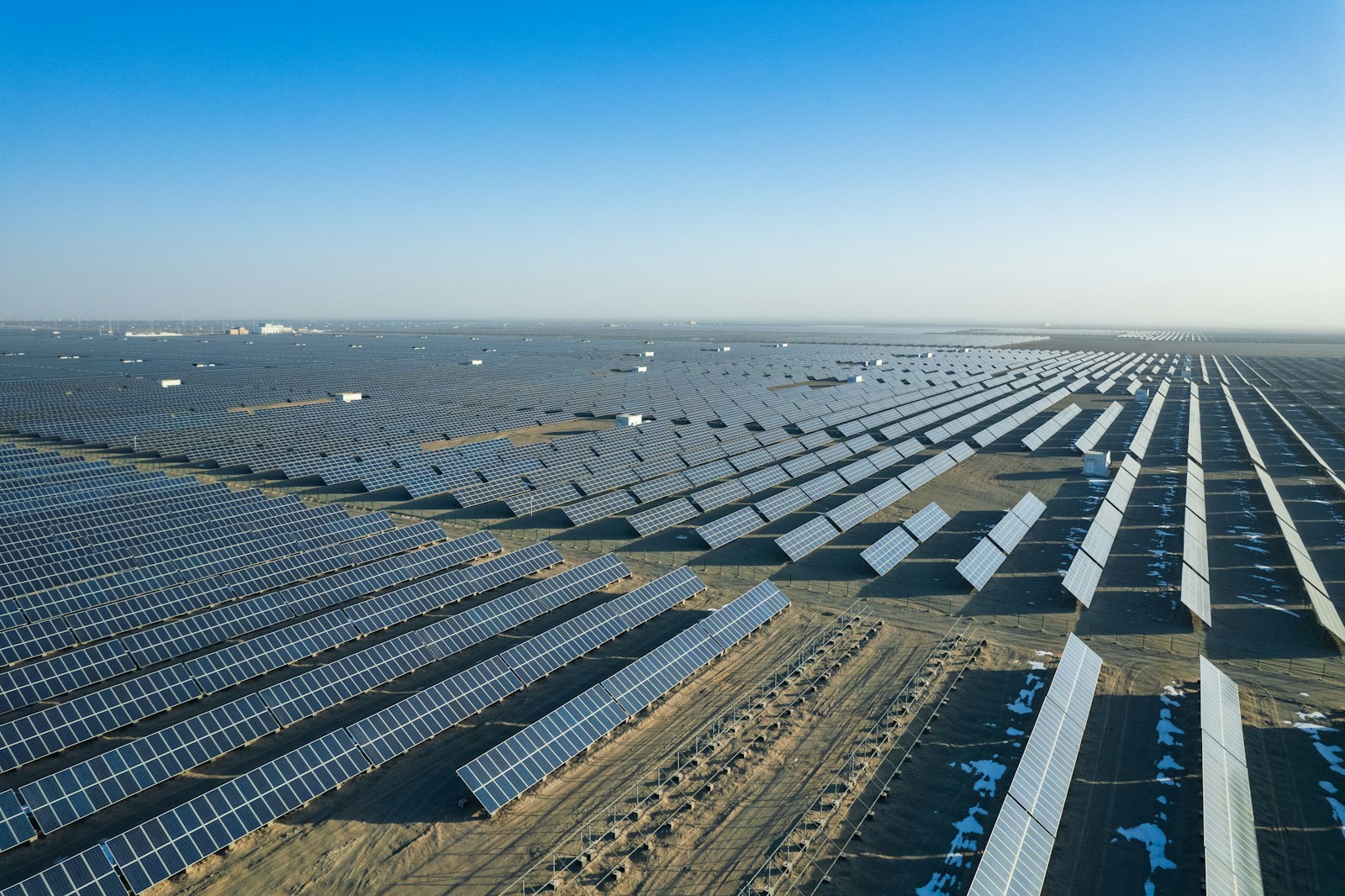
For solar farms, large agricultural rooftop arrays and mixed-use sites with co-located PV, drone-borne cleaning rigs apply deionised water (and sometimes mild detergent) directly onto the panels. No working at height, no walking on the array, no scaffolding.
Where the drone wins
- Rooftop arrays on agricultural and industrial buildings, where ladders and MEWPs are slow and risky.
- Uneven or fragile ground-mount where a tractor brush rig isn't safe.
- Working at height removed entirely — no scaffold cost, no insurance friction, no time on the roof.
Where it doesn't win: flat, accessible utility-scale ground arrays where a tractor-mounted brush rig (Solarcleano and similar) can clean thousands of panels a day at a low per-panel rate.
About the "3–7% efficiency gain" claim
You'll see vendors quote a 3–7% gain. The honest UK answer — based on the IEA-PVPS Task 13 soiling report (2022) — is that soiling losses for most UK temperate sites sit in the 1–5% range. You'll see the high end at sites near livestock, recycling, quarries, A-roads or coastal salt; you'll see the low end at clean rural sites where rainfall does most of the work for free. Anyone quoting 7% as a generic UK figure is selling you something.
Pricing
For context, UK solar cleaning sits in the range of around £1 to £4 per panel at utility and farm scale, and £4 to £15 per panel for smaller commercial and residential arrays. Drone cleaning is priced per job — based on array size, panel count, access and water supply on site. Tell us about your array and we'll come back with a firm number.
Common questions
Are the panels safe from drone impact? Yes — the drone hovers above the array and the spray reaches the panel surface from height. No contact.
Can thermal inspection be done at the same time? Some pilots can carry both rigs and combine inspection with cleaning. Ask when you enquire.